How many electrolyte packets for 10 miles and 3,000 ft?
The count worked through in plain numbers: 3 packets on a cool day, more when it is hot or high.
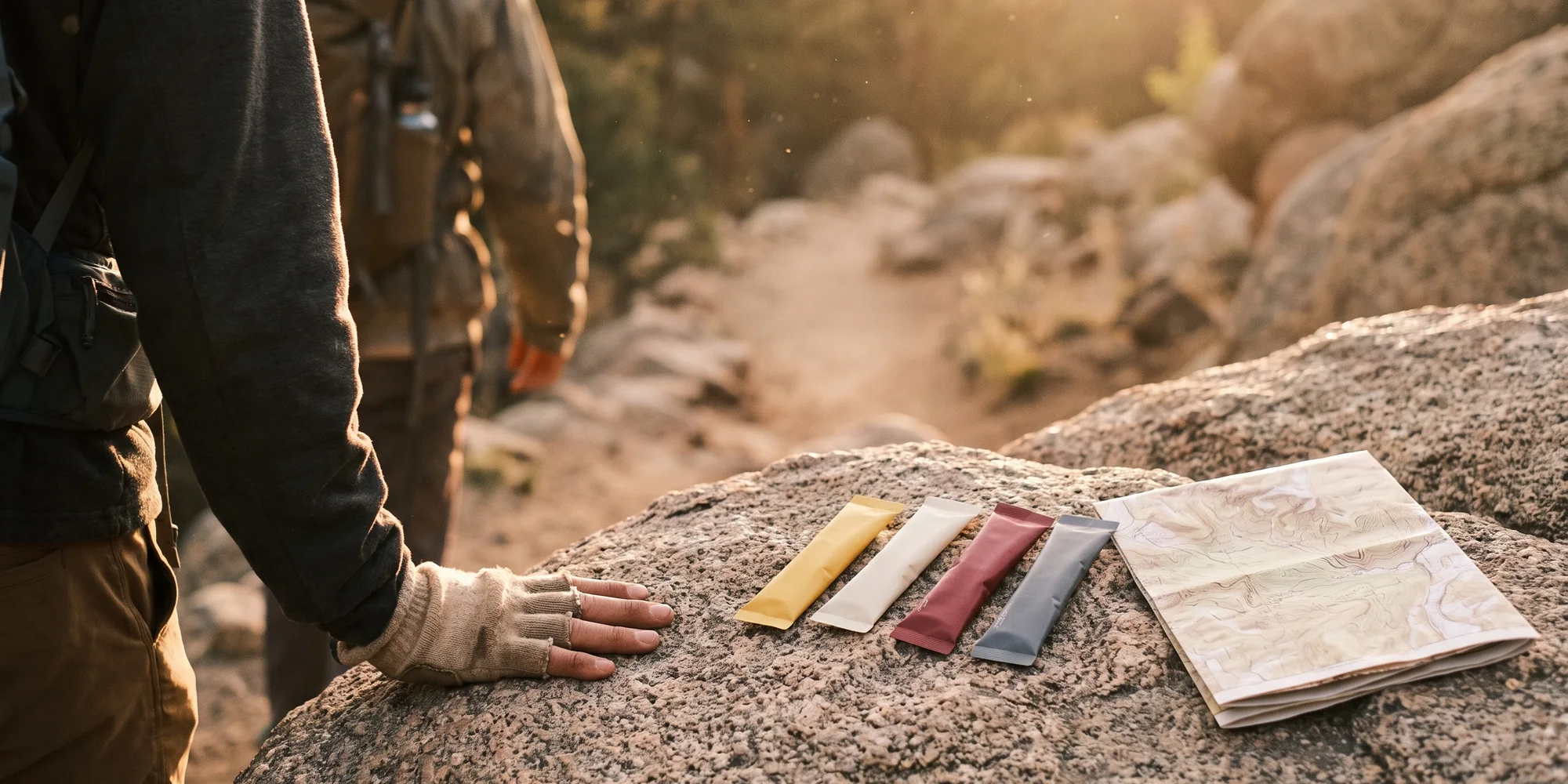
Start with trail miles, not map miles
Ten miles with 3,000 ft of climbing is a harder, longer, sweatier day than ten flat miles. Most hikers move slower uphill and work harder doing it. So the first step is to turn the climb into extra distance. We count every 1,000 ft of gain as 2.5 extra miles.
- Distance
- 10 mi
- Climb
- 3,000 ft ÷ 1,000 × 2.5 = 7.5 mi
- Trail miles
- 10 + 7.5 = 17.5 mi
- Sticks
- 17.5 ÷ 6 = 2.9, rounds to 3
That is one stick for about every 6 trail miles. For most people this hike takes somewhere around five to seven hours, so 3 sticks works out to one every two hours or so, which is a calm pace for both your stomach and your sodium.
Then the weather
Heat is what changes the count most, because it raises how fast you sweat. Altitude adds a smaller nudge through dry air and fast breathing.
- Forecast high over 75 F: one more stick. 4 total.
- Over 85 F: one more again. 5 total.
- High point over 9,000 ft: one more. On a hot day up high, that is 6.
Use the forecast for the hottest part of your hike, not the trailhead at 6 a.m. If you start early and are off the exposed stretch by 10, a hot afternoon forecast may not apply to you.
Which order to drink them in
Spread them out. On the cool version of this hike the order is Switchback Citrus, Ridge Salt and Summit Recovery: a lighter stick for the first climb, the saltiest in the middle when you have sweated the most, and a magnesium-heavy one for the last stage. Extra heat sticks go just before the finish, where most people fall furthest behind.
One stick goes in 16 to 20 fl oz of water. The rest of your water stays plain. If you carry 3 liters, most of it is still just water.
Packets, tablets or a tub
The count works the same whatever you carry. Packets are easy to count and leave nothing to measure on the trail. Tablets are light but often carry less sodium each, so you may need two for the same dose. A tub is the cheapest per serving but you are scooping a guess into a bag at the car. Whichever you use, decide the number before you leave.
When to carry fewer
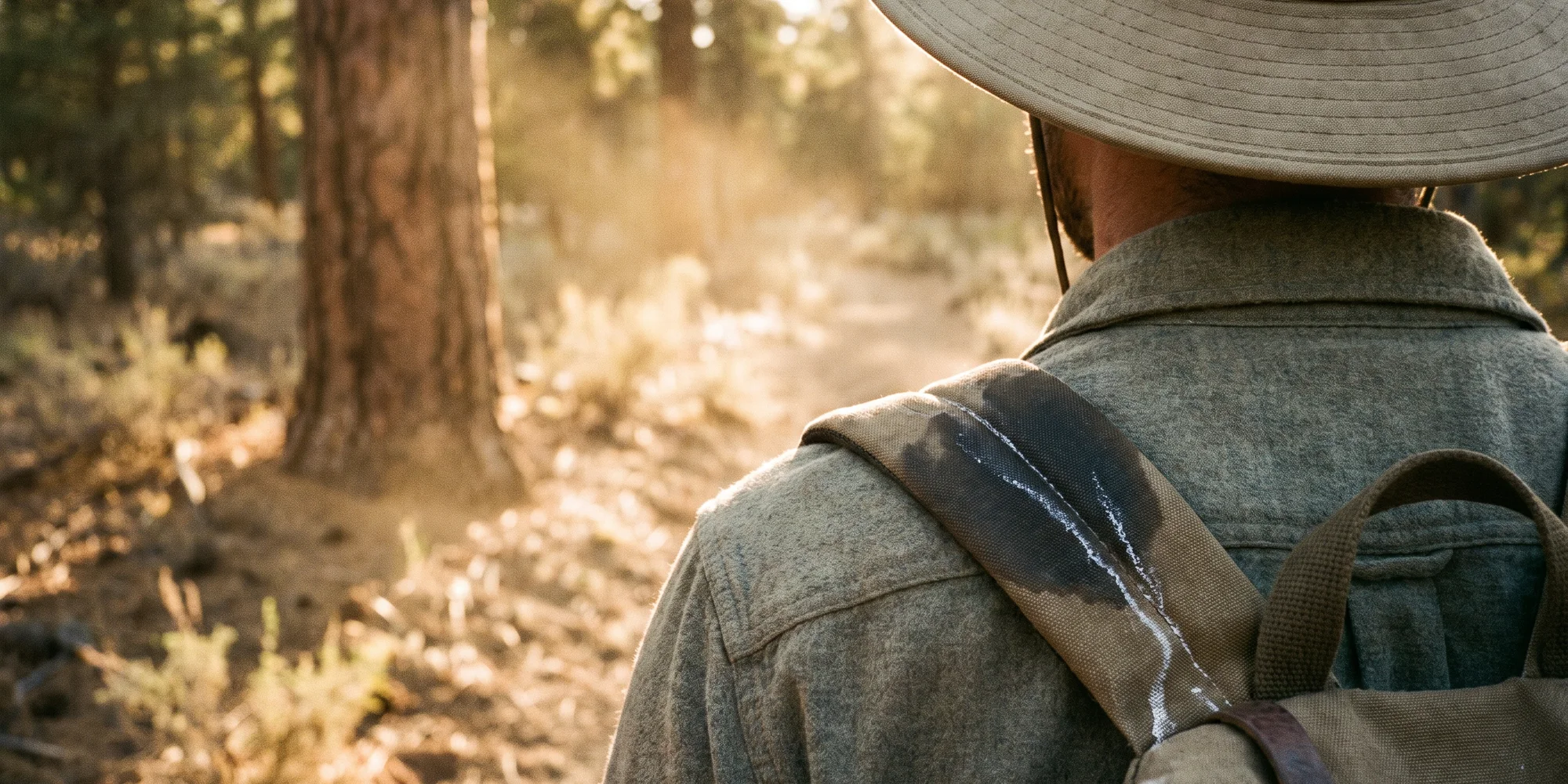
- You are a light sweater and your hat stays clean.
- It is a cool, cloudy day and you are mostly in the trees.
- You eat salty food on the way: a bag of salted nuts or a sandwich covers part of a stick.
- Your stomach does not like sweet drinks. Try fewer, or an unflavored stick in plain water.
And carry one spare. Running out on the last climb is the most common way a good plan goes wrong.
If you would rather not do the arithmetic, the pack builder does this same count from your miles, gain and forecast.
The full rule, the stage order and the sleeve: how the count works.
Related notes
How much sodium do you need on a long hike?
A working range in milligrams per hour, why your sweat sets the real number, and how to measure it.
Do you need more electrolytes in the heat or at altitude?
Heat raises sweat and sodium loss; altitude mostly raises water loss. What to change for each.